
Why Your Washing Machine Is Not Draining and How to Fix It
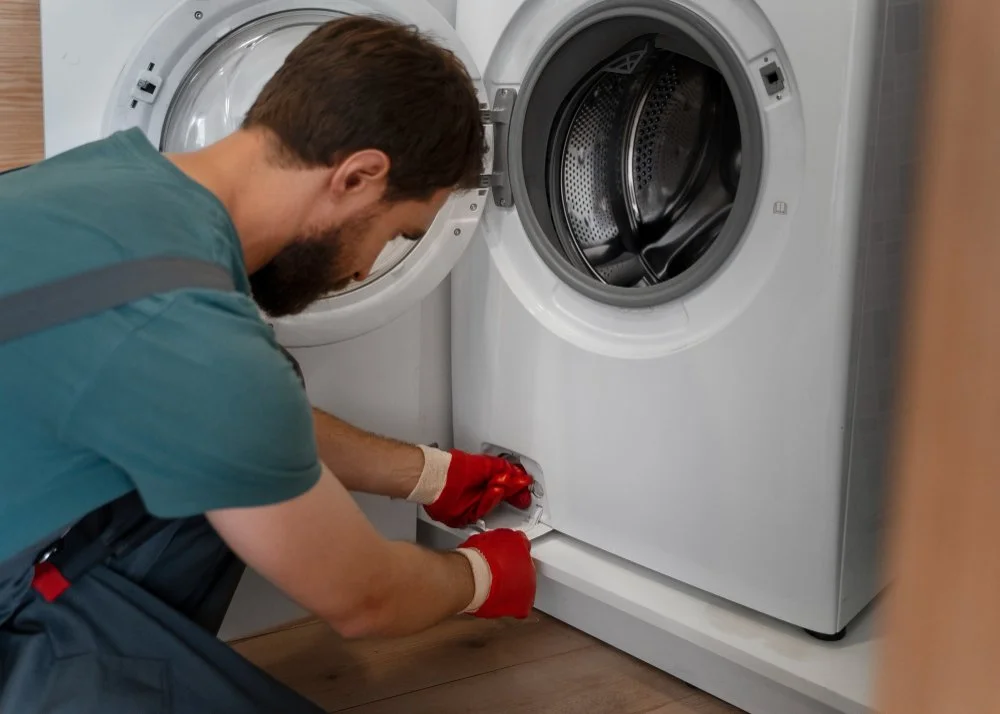
A washing machine that won’t drain properly can quickly turn a normal laundry day into a frustrating situation. You open the lid expecting fresh, clean clothes-only to find them sitting in murky water. Sometimes the cycle stops midway. Other times the machine spins but leaves everything soaking wet.
Drainage problems are among the most common washer issues homeowners face. The good news? Many causes are minor and fixable. The key is knowing what to check, what you can safely handle yourself, and when it’s time to call a professional washing machine repair service in Brampton.
Let’s break it down step by step.
How the Drain System Works
Before diagnosing the problem, it helps to understand how your washer drains water.
After the wash cycle finishes:
1. The control board signals the drain pump to activate.
2. The pump pushes water out through the drain hose.
3. Water flows into your home’s plumbing system.
4. The washer transitions into the spin cycle.
If any part of that system fails-pump, hose, filter, lid switch, or electronic control-the water won’t exit properly.
Now let’s go through the most common causes.
Common Reasons Your Washing Machine Is Not Draining
1. Clogged or Kinked Drain Hose
This is one of the simplest and most common causes.
The drain hose carries wastewater from the washer to the drainpipe. If it becomes blocked, bent, or improperly installed, water can’t flow out.
What to Check
· Ensure the hose is not bent, twisted, or crushed.
· Look for visible blockages.
· Confirm it isn’t pushed too far into the standpipe (which can create siphoning issues).
· Make sure the height matches manufacturer guidelines.
Small items like socks, lint, coins, or debris can easily block the hose.
Quick Fix
1. Unplug the washer.
2. Turn off the water supply.
3. Disconnect the hose carefully.
4. Flush it with running water.
5. Remove any visible debris.
If water flows freely afterward, the issue may be resolved.
2. Blocked Pump Filter
Most modern front-load and some top-load washers include a drain pump filter. This filter traps debris to prevent damage to the pump.
Over time, it collects:
· Coins
· Buttons
· Hair ties
· Lint buildup
· Small clothing fragments
If it becomes clogged, water cannot pass through.
Signs of a Blocked Pump Filter
· Washer stops mid-cycle
· Water remains in the drum
· Gurgling sounds
· Slow draining
· Musty odor
How to Clean It
1. Locate the filter panel (usually at the bottom front of the washer).
2. Place towels and a shallow container underneath.
3. Slowly unscrew the filter cap.
4. Allow water to drain out.
5. Remove debris.
6. Rinse and reinstall.
This simple maintenance task often restores normal draining immediately.
3. Faulty Drain Pump
If the hose and filter are clear, the drain pump may be the issue.
The pump is responsible for forcing water out of the drum. If it becomes damaged or worn out, it may:
· Make loud humming or buzzing noises
· Attempt to drain but fail
· Work intermittently
· Leak water
Why Pumps Fail
· Normal wear and tear
· Debris damage
· Electrical failure
· Overheating
Replacing a drain pump involves electrical disassembly and mechanical access. For most homeowners, this is not a safe DIY repair.
Professional washer repair is recommended in this case.
4. Lid Switch or Door Lock Malfunction
Modern washers are designed with safety mechanisms that prevent draining and spinning if the door or lid is open.
If the washer “thinks” the lid is open-even when it isn’t-it won’t drain.
Common Indicators
· Washer fills and agitates normally
· Spin and drain cycles never begin
· No obvious mechanical blockage
· No error code (in some models)
In top-load washers, a faulty lid switch is common. In front-load machines, the door lock assembly may fail.
This issue typically requires professional diagnosis and replacement.
5. Control Board or Timer Failure
Today’s washers rely on electronic control boards to manage cycle progression.
If the board malfunctions, the washer may:
· Skip the drain cycle
· Stop mid-cycle
· Display random error codes
· Fail to enter spin mode
Older models may use a mechanical timer instead of a digital board. If the timer motor fails, the cycle may not advance to draining.
Electrical issues are rarely safe to repair without proper tools and expertise.
6. Clogged Household Drain Line
Sometimes the issue isn’t the washer at all.
If your home’s drain line is blocked, water may back up into the washer.
Signs It’s a Plumbing Issue
· Water backs up into nearby sinks
· Drainpipe overflows during draining
· Gurgling sounds from plumbing
· Multiple appliances drain slowly
In this case, a plumber-not a washer technician-may be required.
7. Overloading the Washer
Overloading can prevent proper draining and spinning.
When the drum is too full:
· Water may not be distributed evenly.
· The machine may detect imbalance.
· The spin cycle may stop.
· Clothes remain soaking wet.
Modern washers often pause the cycle if they detect imbalance, which can appear like a drainage problem.
Reducing load size may solve the issue.
8. Unbalanced Load Detection
Some machines will not spin or drain if the load is uneven.
For example:
· Heavy towels on one side
· Single bulky items
· Uneven weight distribution
The washer may stop draining to protect internal components.
Rearranging clothes evenly inside the drum may restore function.
What You Can Safely Try at Home
Before calling for repair, you can attempt the following safe checks:
· Clean the pump filter.
· Inspect and flush the drain hose.
· Ensure the washer is level.
· Reduce load size.
· Reset the machine by unplugging it for 5-10 minutes.
If the washer still won’t drain after these steps, further intervention is needed.
When to Call a Professional
You should contact a washing machine repair service in Brampton if:
· The drain pump makes loud grinding or humming sounds.
· Water leaks onto the floor.
· The washer displays error codes.
· The machine smells like burning.
· The issue persists after cleaning the filter and hose.
· Electrical components appear involved.
Delaying professional repair can lead to:
· Mold growth inside the drum
· Water damage to flooring
· Electrical hazards
· Complete pump failure
· Expensive secondary repairs
Early intervention is almost always cheaper.
The Risks of Ignoring Drainage Problems
Ignoring drainage issues doesn’t just inconvenience you. It can cause serious damage.
1. Mold and Mildew Growth
Standing water inside the drum creates a perfect breeding ground for bacteria.
2. Odors
Persistent dampness leads to musty smells that transfer to clothing.
3. Electrical Damage
Water exposure can damage internal wiring.
4. Structural Water Damage
Leaking washers can damage flooring and subflooring.
5. Complete Washer Failure
A struggling pump can burn out entirely if ignored.
What begins as a minor clog can escalate quickly.
Repair vs Replacement: What Makes Sense?
Here’s a simple framework.
Choose Repair If:
· The washer is under 8-10 years old.
· The issue involves a single component.
· Repair cost is under half the price of replacement.
· The machine has otherwise performed reliably.
Consider Replacement If:
· Multiple components are failing.
· The control board and pump both need replacement.
· The washer is over 12 years old.
· Energy efficiency has declined significantly.
· Repair costs exceed 50% of replacement cost.
A qualified washing machine repair technician can provide an honest assessment.
How to Prevent Drainage Problems
Prevention reduces costly breakdowns.
1. Clean the Pump Filter Monthly
Even if you don’t see issues, preventive cleaning helps.
2. Avoid Overloading
Follow manufacturer load recommendations.
3. Check Pockets Before Washing
Coins and small objects damage pumps quickly.
4. Use the Right Detergent
High-efficiency washers require HE detergent. Excess suds can interfere with draining.
5. Inspect Hoses Annually
Look for cracks, kinks, or buildup.
6. Run a Cleaning Cycle
Use washer cleaner monthly to prevent residue buildup.
Small habits make a big difference.
Why Professional Diagnosis Matters
Drainage issues often share similar symptoms. Replacing the wrong part wastes time and money.
A professional technician can:
· Perform electrical testing
· Inspect pump motor integrity
· Check voltage supply
· Identify hidden obstructions
· Diagnose control board errors accurately
Proper tools and experience eliminate guesswork.
Professional Washing Machine Repair in Brampton
If your washer still isn’t draining after basic troubleshooting, it’s time to consult an expert.
A professional washing machine repair service in Brampton can:
· Diagnose the exact cause quickly
· Replace faulty parts safely
· Prevent future breakdowns
· Restore full functionality
· Protect your home from water damage
Emergency repair services are also available if water leakage becomes urgent.
Certified technicians ensure your appliance is repaired safely and correctly.
Final Thoughts
A washing machine that won’t drain is one of the most common household appliance problems-but it doesn’t have to become a major disaster. In many cases, simple maintenance like cleaning the pump filter or checking the drain hose can solve the issue. However, mechanical and electrical failures require professional expertise.
The key is acting quickly. Delaying repairs can lead to mold, water damage, or complete appliance failure. If you’re dealing with persistent drainage issues, don’t wait. Schedule professional washing machine repair in Brampton and restore your laundry routine with confidence.
Need help right now? Contact a trusted washer repair professional and get your machine back to working conditions safely and efficiently.
Frequently Asked Questions
1. Why is my washing machine not draining but still spinning?
If your washing machine is not draining, the issue is often a clogged drain hose, blocked pump filter, or faulty drain pump. In some cases, a lid switch malfunction can also prevent proper draining.
2. Can a clogged drain hose stop my washer from draining?
Yes. A clogged or kinked drain hose can block water flow and cause standing water in the washer drum. Inspecting and flushing the hose may restore normal drainage.
3. How do I know if my washer drain pump is bad?
Signs of a faulty drain pump include humming or grinding noises, water remaining in the drum, slow draining, or leaks. A professional washing machine repair service in Brampton can confirm pump failure.
4. Is it expensive to fix a washing machine that won’t drain?
The cost of washing machine repair in Brampton depends on the issue. Cleaning a pump filter is minor, while replacing a drain pump or control board may cost more. Early diagnosis helps prevent larger repairs.
5. Can overloading cause drainage problems?
Yes. Overloading a washing machine can prevent proper spinning and draining. An unbalanced load may cause the washer to stop mid-cycle, leaving clothes soaking wet.
6. When should I call a professional washer repair technician?
Call a professional if your washer won’t drain after cleaning the filter and hose, makes loud noises, leaks water, or displays error codes. Prompt washer repair in Brampton prevents mold growth and water damage.
