

Top Reasons Your Dryer Is Not Heating Properly (And What to Do About It)
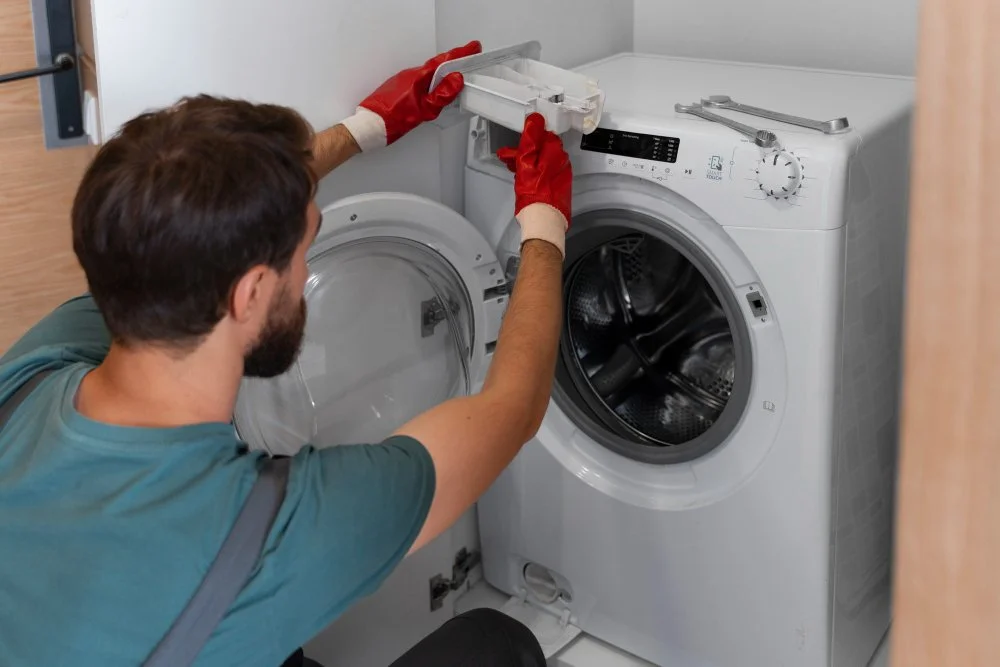
A dryer that runs but doesn’t produce heat can quickly turn laundry day into a frustrating, time-consuming task. You load wet clothes, start the cycle, hear the drum spinning normally-yet everything comes out damp and cold.
Beyond inconvenience, a dryer that isn’t heating properly can signal deeper mechanical or electrical issues. In some cases, it can even create safety risks such as overheating, fire hazards, or gas leaks. If you’re dealing with this issue, identifying the root cause early can help you avoid bigger repairs and reduce long-term costs.
If you’re searching for reliable dryer repair in Brampton, understanding the most common heating failures will help you make an informed decision about whether repair or replacement makes more sense.
How a Dryer Produces Heat
Before diving into the causes, it helps to understand how your dryer generates heat.
· Electric dryers use a heating element powered by electricity.
· Gas dryers use a gas burner and igniter system.
· Air is heated and circulated through the drum.
· Thermostats and sensors regulate temperature.
· Moist air exits through the vent system.
If any one of these components fails-or if airflow becomes restricted-the dryer may run without producing adequate heat.
Let’s break down the most common reasons this happens.
1. Faulty Heating Element (Electric Dryers)
The heating element is essentially a metal coil that warms the air inside an electric dryer. Over time, it can burn out, crack, or break due to repeated heating cycles.
Warning Signs
· Dryer runs normally but produces no heat
· Clothes remain cold after a full cycle
· Drying times are significantly longer
Why It Happens
· Normal wear and tear
· Power surges
· Overheating due to blocked vents
Safety Consideration
A damaged heating element can overheat surrounding components or wiring. Attempting to replace it without proper tools and knowledge can cause electrical hazards.
Repair vs. Replace
Repair is usually cost-effective unless the dryer is very old (10+ years). In most cases, replacing the heating element restores full performance.
If you’re unsure, a professional diagnostic from Your Local Appliance Repair can confirm whether replacement is necessary.
2. Blown Thermal Fuse
The thermal fuse is a built-in safety device designed to shut off heat if the dryer overheats. When airflow becomes restricted, temperatures spike and the fuse “blows” to prevent fire.
When this happens, your dryer may still tumble-but it won’t heat.
Common Causes
· Clogged lint trap
· Blocked or kinked vent hose
· Exterior vent obstruction
· Excess lint buildup inside the dryer
Safety Note
Never bypass a thermal fuse. It exists to prevent overheating and potential house fires.
Repair vs. Replace
This is typically a straightforward repair. However, the underlying airflow issue must be resolved. Otherwise, the fuse will blow again.
A thorough inspection during a dryer repair service in Brampton ensures both the fuse and ventilation system are addressed.
3. Clogged Dryer Vent or Lint Trap
Restricted airflow is one of the leading causes of heating problems-and one of the top causes of household fires.
When hot air cannot circulate properly, the dryer either:
· Overheats and shuts off
· Blows the thermal fuse
· Struggles to dry clothes
Symptoms
· Clothes stay damp despite long cycles
· Dryer feels unusually hot
· Burning smell
· Dryer shuts off mid-cycle
· Excess lint around the vent area
Why This Is Dangerous
Lint is highly flammable. When combined with high temperatures, it creates a serious fire risk.
Repair vs. Replace
This is a maintenance issue, not a replacement issue. Professional vent cleaning often restores heating performance immediately.
If you haven’t had your vent professionally cleaned in over a year, it may be time to schedule service through Your Local Appliance Repair.
4. Malfunctioning Thermostat or Temperature Sensor
Dryers rely on thermostats and thermistors to regulate temperature. These components ensure your dryer doesn’t overheat and maintains consistent heat throughout the cycle.
If they fail, the dryer may:
· Not heat at all
· Overheat and shut off
· Produce inconsistent drying results
Signs of Thermostat Failure
· Dryer cycles between very hot and cold
· Overheating smells
· No heat despite working heating element
Why It Matters
Improper temperature control can damage wiring, melt insulation, and cause further mechanical failures.
Repair vs. Replace
Replacing a thermostat is typically cost-effective if diagnosed early.
A professional dryer repair technician in Brampton can test the thermostat and sensors accurately without guesswork.
5. Gas Supply or Ignition Problems (Gas Dryers Only)
If you own a gas dryer, heating issues may stem from gas flow or ignition components.
Possible Causes
· Gas valve accidentally closed
· Faulty igniter
· Worn gas valve coils
· Blocked gas line
Symptoms
· Dryer tumbles but never heats
· Clicking sound without ignition
· Weak or intermittent heat
Serious Safety Risk
Gas-related issues should never be treated as DIY repairs. Improper handling can lead to gas leaks, fire hazards, or carbon monoxide exposure.
Repair vs. Replace
Most gas ignition issues are repairable and far less expensive than full replacement.
Always consult a licensed technician through Your Local Appliance Repair for safe diagnostics.
6. Electrical Problems or Control Board Failure
Modern dryers rely on electronic control boards to manage heating cycles, sensors, and timing functions.
Power surges, internal shorts, or age-related wear can cause control boards to malfunction.
Symptoms
· Dryer heats intermittently
· Error codes appear
· Controls become unresponsive
· Heat cuts out mid-cycle
Why This Is Serious
Electrical faults increase the risk of short circuits and overheating.
Repair vs. Replace
Repair is recommended if:
· The dryer is under 8-10 years old
· The control board replacement cost is reasonable
Replacement may be more economical if the control board repair approaches half the price of a new dryer.
7. Timer Motor Failure (Older Dryers)
Older models use mechanical timer motors rather than electronic boards. If the timer fails, the heating cycle may not engage properly.
Signs
· Dryer stops heating mid-cycle
· Inconsistent cycle progression
· Knob doesn’t advance properly
This is typically repairable, especially for mid-age appliances.
8. Power Supply Issues (Electric Dryers)
Electric dryers require a 240-volt power supply. If one breaker trips, the dryer may still run-but won’t heat.
What to Check
· Reset both breakers in your electrical panel
· Ensure the outlet is supplying full voltage
· Inspect the power cord for damage
If resetting the breaker doesn’t solve the issue, professional testing is recommended.
When Should You Repair vs Replace Your Dryer?
Here’s a practical decision framework:
Choose Repair If:
· The dryer is less than 10 years old
· The issue involves a single component
· Repair cost is under 50% of replacement cost
· The appliance has been otherwise reliable
Choose Replacement If:
· Multiple components are failing
· The dryer frequently breaks down
· Repair costs exceed half the price of a new unit
· Energy efficiency has significantly declined
A trusted dryer repair service in Brampton can provide a clear cost comparison before you commit.
Why Prompt Dryer Repair Matters
Ignoring heating problems can lead to:
· Higher energy bills
· Premature appliance failure
· Fire hazards
· Damage to clothing
· Mold growth from damp laundry
Early intervention not only restores convenience but also extends the life of your appliance.
Preventing Future Heating Problems
Here are simple steps to reduce the risk of recurring issues:
1. Clean the lint filter after every load
2. Schedule professional vent cleaning annually
3. Avoid overloading the dryer
4. Inspect the vent hose for kinks
5. Address unusual noises or smells immediately
Preventative maintenance costs far less than emergency repairs.
Why Professional Diagnosis Is Important
Many heating problems present similar symptoms. Replacing the wrong part wastes time and money.
A trained technician can:
· Perform voltage tests
· Check airflow restrictions
· Inspect internal components safely
· Provide accurate cost estimates
· Recommend repair vs replacement honestly
If you need experienced help, Your Local Appliance Repair provides professional dryer repair in Brampton with proper diagnostics and safety checks.
Final Thoughts
A dryer that isn’t heating properly isn’t just inefficient-it can become dangerous if ignored. Whether the issue is a heating element, thermostat, blocked vent, or gas ignition failure, early diagnosis is key.
Most heating issues are repairable and cost-effective when addressed quickly. Replacement is typically necessary only in cases of advanced age or multiple component failures.
If your dryer is running cold, scheduling a professional inspection for dryer repair in Brampton is the safest and smartest next step.
Prompt service restores performance, improves safety, and protects your home from preventable risks.
Frequently Asked Questions
1. Why is my dryer not heating but still running?
If your dryer is running but not heating, the issue is often a faulty heating element, blown thermal fuse, tripped breaker, or clogged dryer vent restricting airflow.
2. Can a clogged dryer vent cause heating problems?
Yes. A clogged dryer vent can block airflow, cause dryer overheating, and trigger the thermal fuse, resulting in no heat.
3. How much does dryer repair cost in Brampton?
The cost of dryer repair in Brampton depends on the issue. Simple fixes like a thermal fuse replacement are affordable, while control board repairs may cost more. A professional diagnosis provides accurate pricing.
4. Should I repair or replace a dryer that isn’t heating?
Choose dryer repair if the unit is under 10 years old and the repair cost is under 50% of replacement. Consider replacement if multiple parts are failing.
5. Is it safe to use a dryer that won’t heat properly?
No. A dryer not heating properly may indicate electrical issues, gas ignition problems, or vent blockages, which can increase fire risk.
6. How often should I schedule dryer vent cleaning?
Professional dryer vent cleaning is recommended at least once a year to prevent heating problems, improve efficiency, and reduce fire hazards.
